
 Registered office: Via 25 Novembre, 6 - 20079 Basiglio (MI)



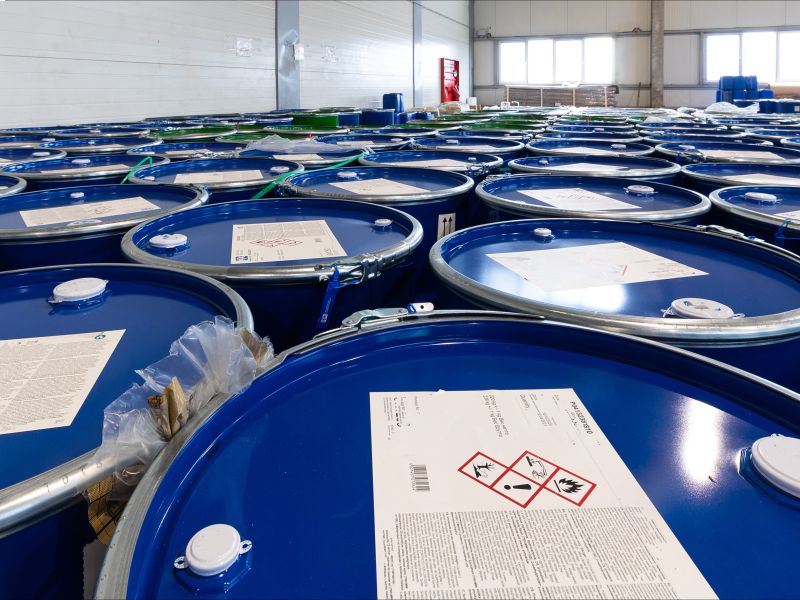
Flammable Solvent Storage: Regulations, Safety and Professional Solutions.
The storage of solvents is one of the most critical operations in the chemical and industrial sectors. Paints, thinners, and flammable solvents require careful handling to protect people and the environment while ensuring full compliance with current regulations.
Improper storage can lead to serious risks such as fires, explosions, or contamination, with significant legal and financial consequences. For this reason, planning, organizing, and monitoring solvent storage is not just a best practice, but a legal obligation for any company handling hazardous materials.
Why Solvent Storage Is Critical
Flammable solvents can easily ignite when exposed to heat sources, sparks, or incompatible materials. Improper storage can cause serious incidents, damage company infrastructure, and compromise worker safety.
To ensure safe storage, several key factors must be considered:
- controlled environmental conditions to limit vapors and the accumulation of flammable gases;
- physical separation of incompatible substances;
- implementation of fire protection systems and emergency procedures;
- regular inspections of packaging and containers to prevent leaks or damage;
- continuous staff training on safety procedures.
Following these measures significantly reduces risks and helps maintain safe and uninterrupted operations.
Regulations for the Storage of Paints and Flammable Solvents
In Italy, the management of flammable solvents is regulated by laws that establish specific requirements for safety, fire prevention, and worker protection. Key regulatory references include:
- Legislative Decree 81/2008 (Workplace Safety Act), which provides general provisions for health and safety in the workplace, including hazardous substances;
- Ministerial Decree 9 May 2001, No. 216, which regulates fire prevention and defines criteria for the safe storage of flammable materials;
- UNI EN 14470-1, which sets safety requirements for chemical storage cabinets, including construction features, fire resistance performance, and ventilation systems.
In addition, regional and local regulations may introduce further operational requirements, periodic inspections, and maintenance obligations to ensure an even higher level of protection.
Requirements for Flammable Solvent Storage
To ensure safe storage of flammable solvents, facilities must meet high standards and adopt specific safety measures to protect people, the environment, and goods. Key requirements include:
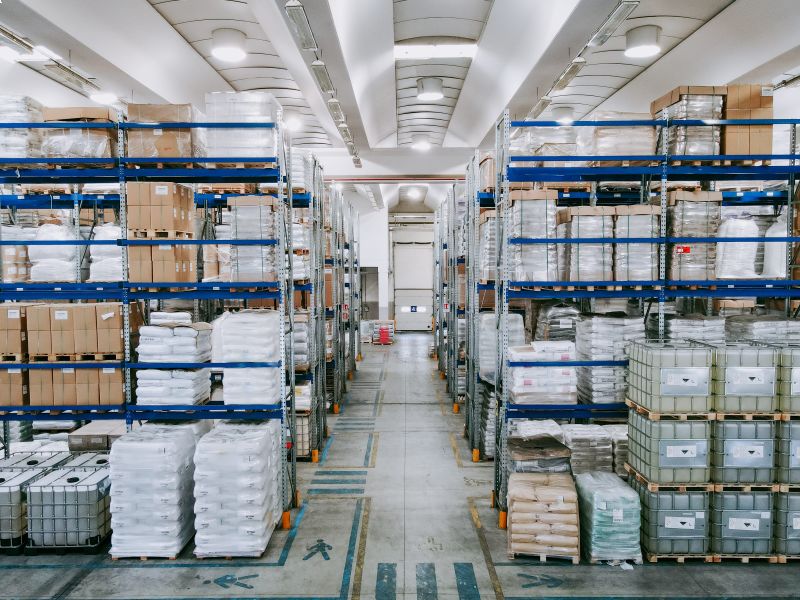
- certified cabinets and tanks designed to withstand leaks, spills, and fire;
- segregation of incompatible substances to prevent dangerous chemical reactions;
- controlled ventilation systems to keep vapor concentrations below flammability limits;
- fire protection systems and clearly defined emergency procedures, including evacuation and rapid response plans;
- staff training on chemical risks, safety procedures, and emergency management;
- accurate documentation management, including Safety Data Sheets (SDS) and movement records, to ensure traceability and regulatory compliance.
Following these requirements helps minimize incidents and leaks while ensuring safe, compliant, and professional management of flammable solvents.
Why Rely on Professionals for Flammable Solvent Storage
Relying on professionals specialized in flammable solvent storage ensures safety, efficiency, and regulatory compliance. Qualified partners provide certified facilities and appropriate equipment, trained personnel, advanced monitoring and risk management systems, and well-established procedures for handling hazardous materials.
Choosing a partner like Corsini Logistica & Trasporti, with proven expertise in the chemical and industrial sectors, guarantees that flammable solvent storage is managed according to the highest safety and compliance standards, minimizing risks for people, the environment, and infrastructure.
Contact us for a personalized consultation.
News.
STAY UP TO DATE ON HAZARDOUS GOODS AND THE CHEMICAL SECTOR
The world of hazardous goods transportation is constantly evolving, as are the regulations affecting the shipment and logistics of hazardous substances and chemicals. Stay up-to-date with our industry articles.
-
Flammable Solvent Storage: Regulations, Safety and Professional Solutions

Read our articles
-
ADR Groupage Transport: A Guide to Dangerous Goods Compatibility in Shared Loads
Read our articles
-
Dangerous Chemical Substances: Safe Transport and Storage
Read our articles
-

ADR Transport: How It Works and Who to Rely On for the Shipment of Dangerous Goods
Read our articles
-
Flammable Liquids Storage: Regulations, Safety, and Effective Solutions
Read our articles
-
Dangerous Goods Packaging: Rules, Types and Safe Solutions
Read our articles