
 Registered office: Via 25 Novembre, 6 - 20079 Basiglio (MI)



ADR Transport: How It Works and Who to Rely On for the Shipment of Dangerous Goods.
ADR transport is one of the most delicate operations in the industrial and chemical logistics sector, as it involves goods that may pose risks to people, the environment and infrastructure.
ADR regulations set out strict requirements for the handling, packaging, labelling and documentation of each consignment, with the aim of ensuring safety and full traceability.
In this article, we explain what ADR transport is, when it is mandatory, what obligations apply to the shipment of dangerous goods and who you should rely on to ensure safe and fully compliant operations.
What Is ADR Transport and When Is It Mandatory
ADR transport refers to the road transport of goods classified as dangerous under the European Agreement concerning the International Carriage of Dangerous Goods by Road (ADR).
This agreement defines:
- hazard classes (explosives, gases, flammable liquids, toxic, corrosive substances, etc.);
- packaging and protection requirements for goods;
- mandatory hazard labels and transport documentation;
- vehicle and personnel requirements.
ADR transport is mandatory whenever goods falling under ADR hazard classes are moved, including for domestic transport.
In specific cases—such as limited quantities or particular conditions—partial or total exemptions may apply. However, in most situations, compliance with ADR rules is essential to ensure safety and legal conformity.
Obligations for the Transport of Dangerous Goods
Anyone involved in ADR transport must comply with a series of clear and binding obligations:
- correctly identifying the goods according to ADR hazard classes;
- using certified packaging suitable for the transported substance;
- applying compliant labels and markings on packages and consignments;
- preparing ADR documentation, including transport documents, safety data sheets and other mandatory forms;
- relying on qualified carriers with approved vehicles and trained personnel;
- implementing all safety measures during loading, transport and unloading, including emergency procedures.
These obligations are designed to reduce the risk of accidents, leaks or contamination during transport, protecting people, the environment and the goods themselves.
Who Is Authorised to Carry Out ADR Transport
Not all operators are authorised to carry out ADR transport: only qualified professionals may transport dangerous goods by road.
Carriers must ensure that drivers hold a valid and up-to-date ADR licence, that vehicles are approved and equipped with safety devices suitable for different classes of dangerous goods, and that staff are trained in safety procedures and emergency management.
In addition, companies must implement strict internal procedures to guarantee traceability and correct handling of goods, and must appoint an ADR Safety Advisor—internal or external—as required by law, to ensure full regulatory compliance.
Relying on unqualified operators exposes companies to significant risks, including fines, delivery delays, cargo rejection and serious safety issues.
Corsini Logistica & Trasporti: A Reliable Partner for Your ADR Shipments
When it comes to ADR transport, experience and specialisation make all the difference. Corsini has been operating in the sector for years, offering services that comply with the strictest ADR regulations.
The company relies on ADR-certified drivers and approved vehicles. Its staff is trained in safety and emergency management procedures, company facilities meet regulatory requirements, and advanced tracking systems ensure accurate documentation and full shipment control.
Entrust your ADR transport to Corsini Logistica & Trasporti and choose a specialised partner for the safe transport of dangerous goods.
Contact us for a tailored consultation.
News.
STAY UP TO DATE ON HAZARDOUS GOODS AND THE CHEMICAL SECTOR
The world of hazardous goods transportation is constantly evolving, as are the regulations affecting the shipment and logistics of hazardous substances and chemicals. Stay up-to-date with our industry articles.
-
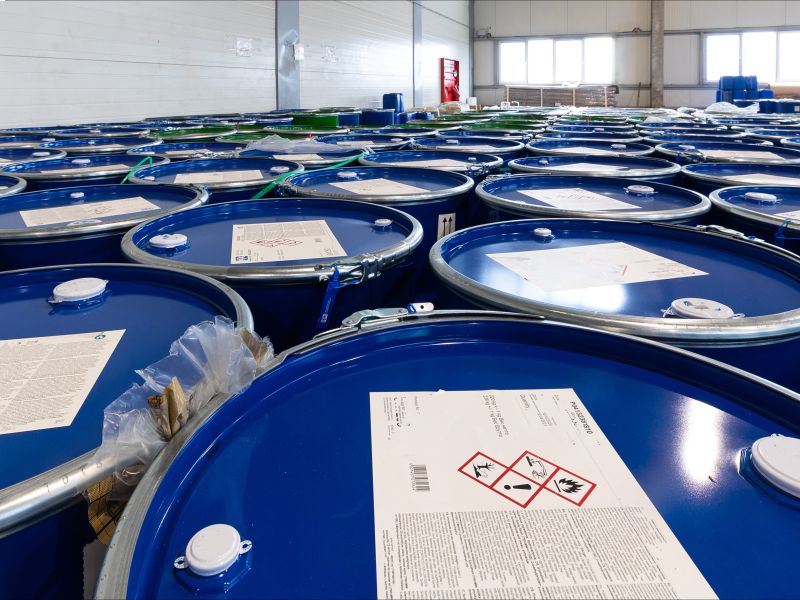
Flammable Solvent Storage: Regulations, Safety and Professional Solutions

Read our articles
-
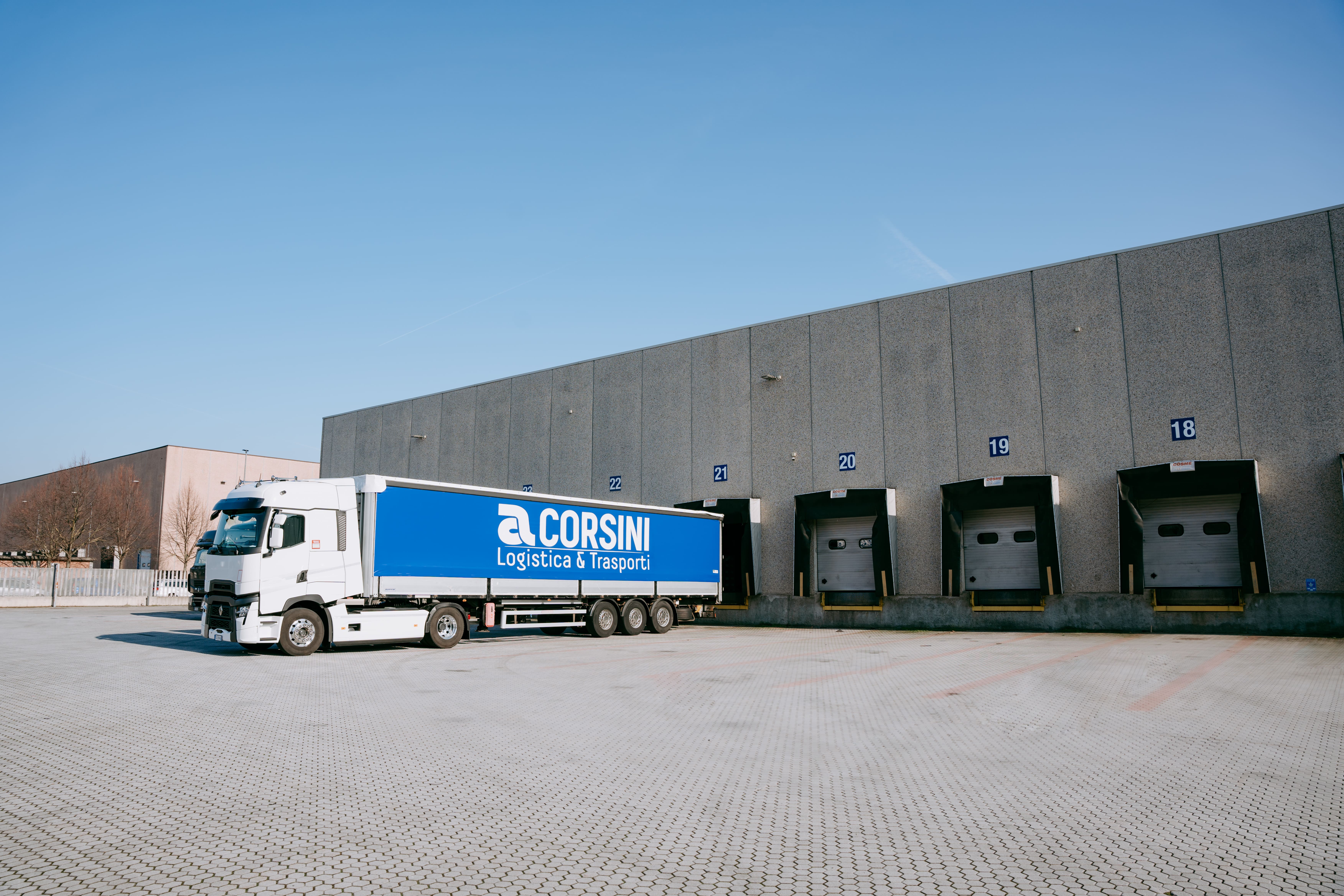
ADR Groupage Transport: A Guide to Dangerous Goods Compatibility in Shared Loads
Read our articles
-
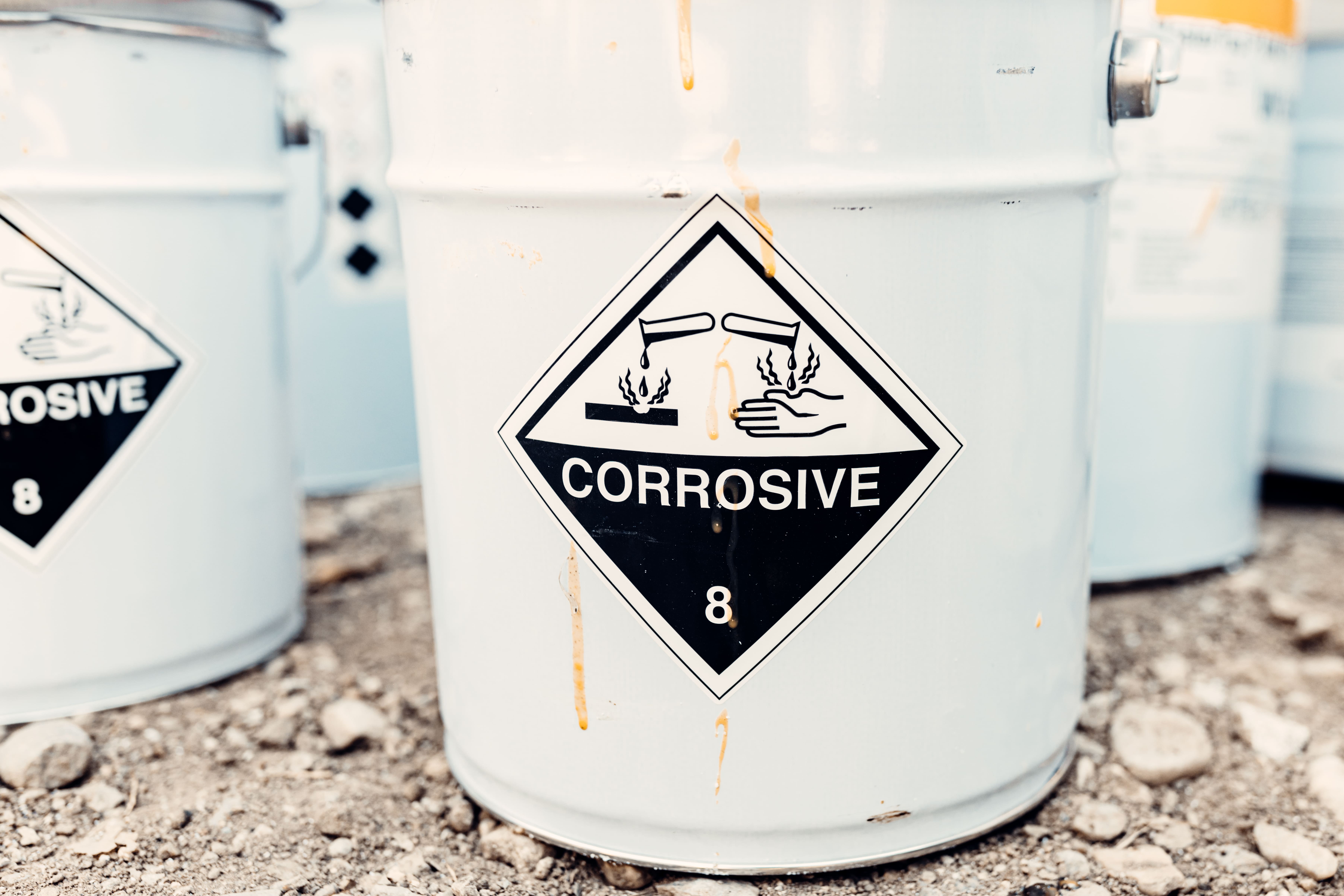
Dangerous Chemical Substances: Safe Transport and Storage
Read our articles
-
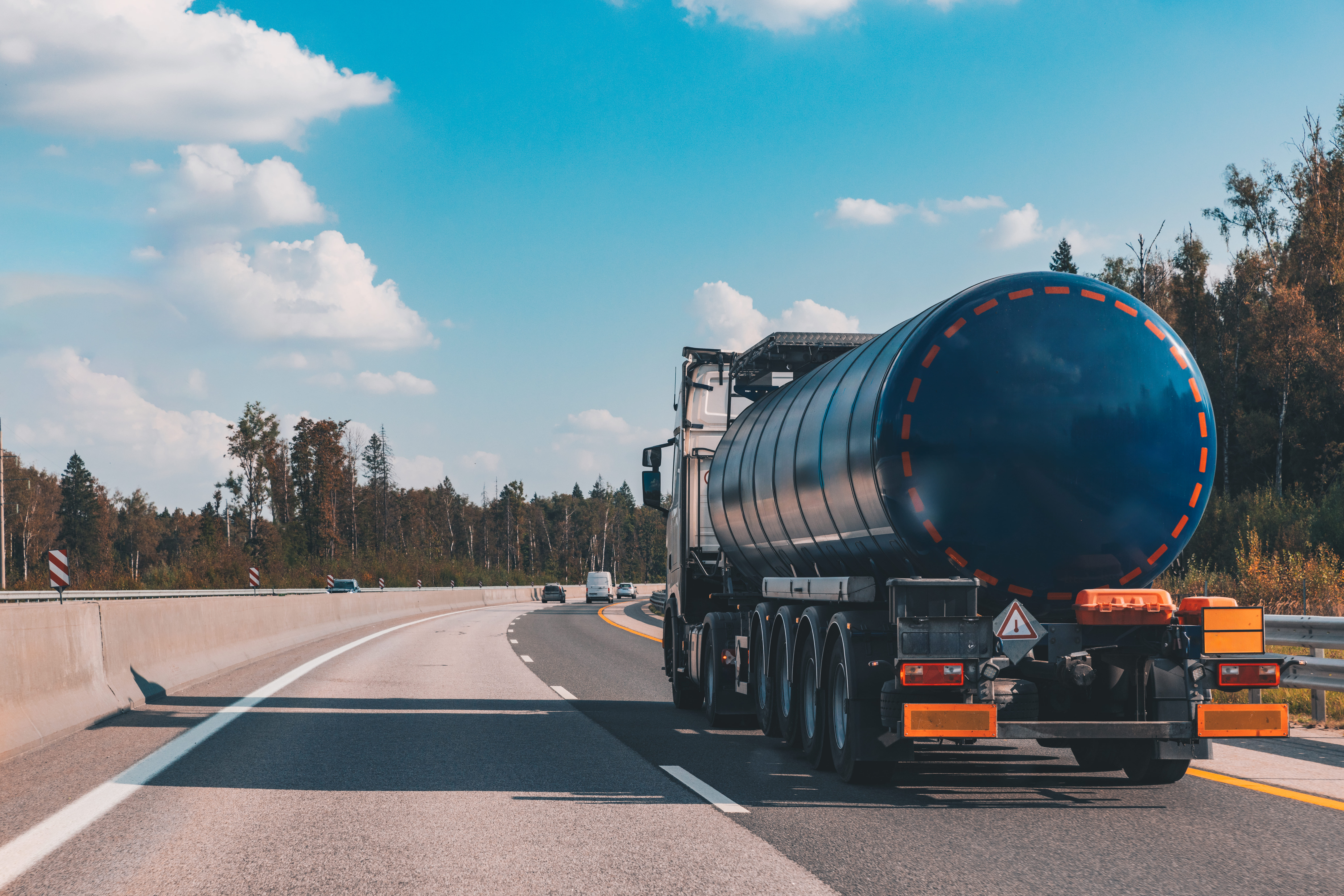
ADR Transport: How It Works and Who to Rely On for the Shipment of Dangerous Goods
Read our articles
-
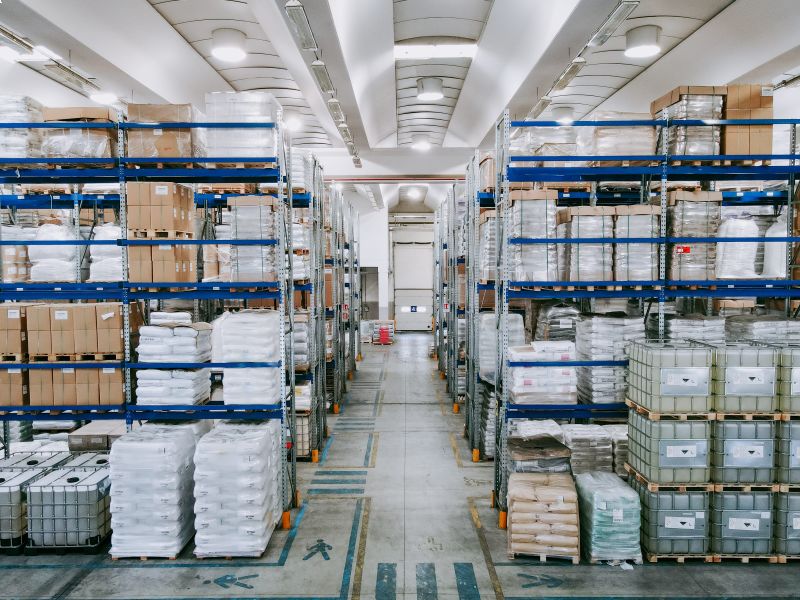
Flammable Liquids Storage: Regulations, Safety, and Effective Solutions
Read our articles
-
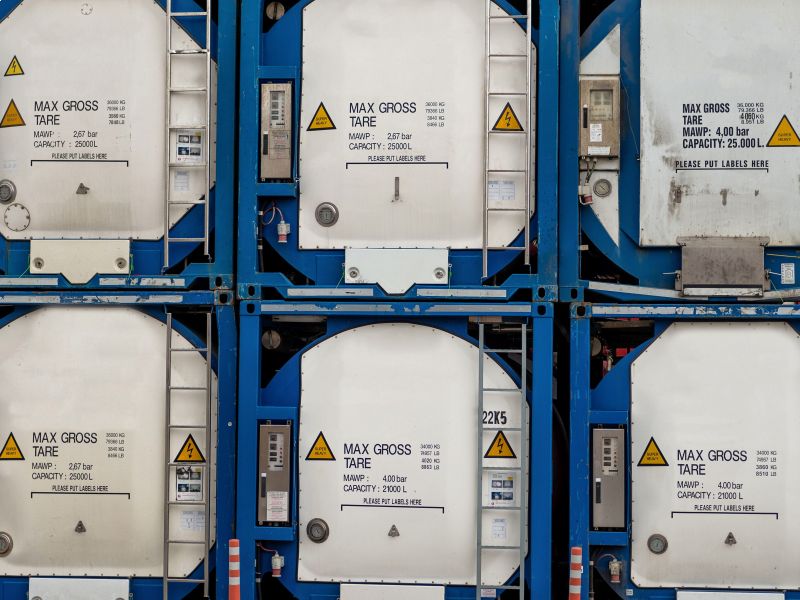
Dangerous Goods Packaging: Rules, Types and Safe Solutions
Read our articles